
Ezochi was renamed “Hokkaido,” marking the beginning of its development.
In the harshly cold region of Abashiri, a prisoner detention facility was established for road construction.
People lived, worked, and atoned for their crimes.
A historical heritage of Hokkaido.
It has beenyears since the development of Hokkaido began.
Today's Visitor Information
Admission Fees
For First-Time Visitors
Can children visit the museum?
Yes. Many families visit the museum, and the spacious outdoor exhibits can be explored at a relaxed pace.
Can I visit on rainy days?
Yes, the museum is open on rainy days. Since many exhibits are outdoors, please take care when walking in wet conditions.
How long does a visit take?
A quick visit takes about 1 hour, while a more detailed visit usually takes around 2 hours.
Is this the same as Abashiri Prison?
No. The current Abashiri Prison is a separate active facility. The museum preserves and exhibits historic buildings from the former prison.
Cultural Properties & Key Buildings
Four Important Cultural Properties preserved at Abashiri Prison Museum
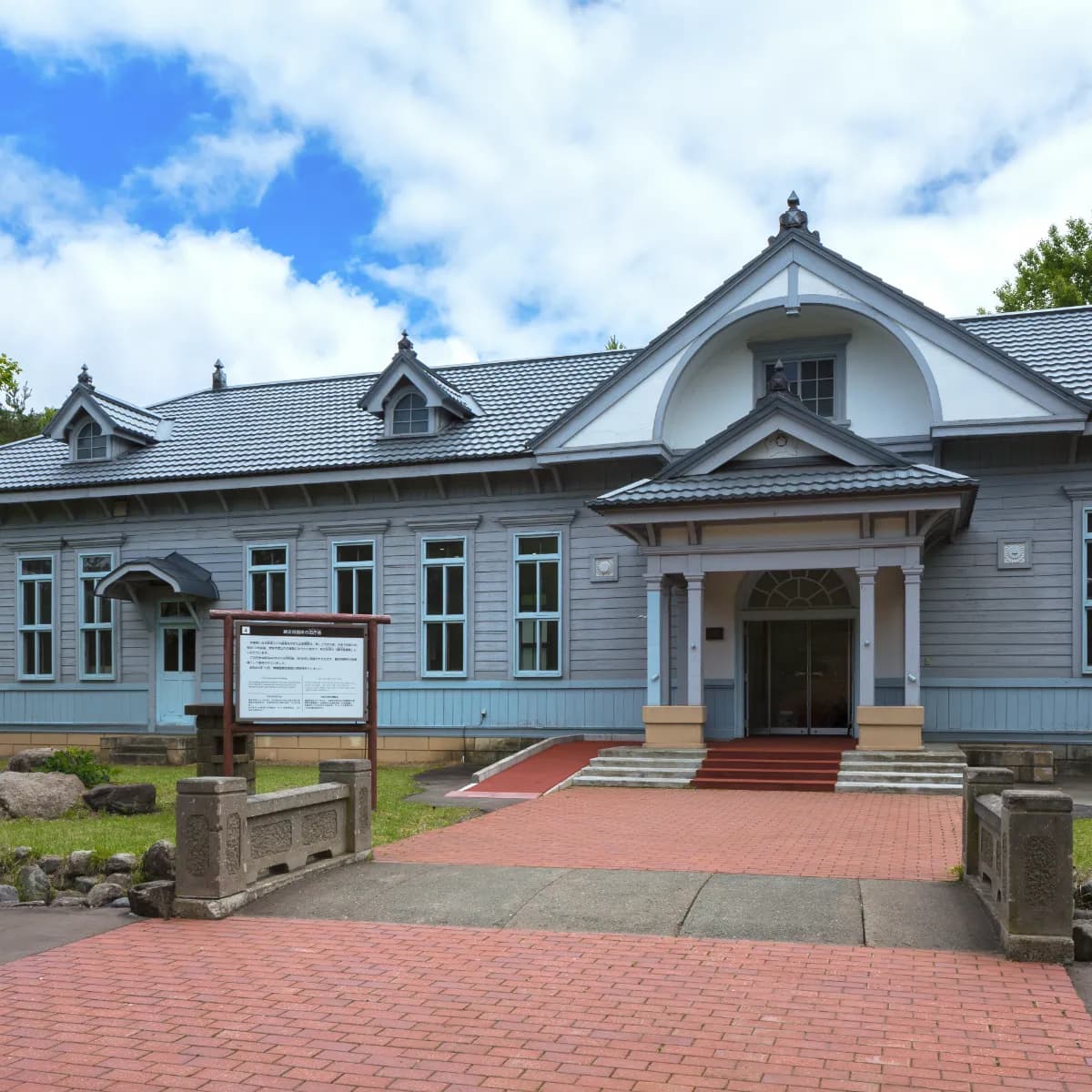
The Administration Building of the original Abashiri Prison
The central administrative hub of Abashiri Prison, designated as an Important Cultural Property.
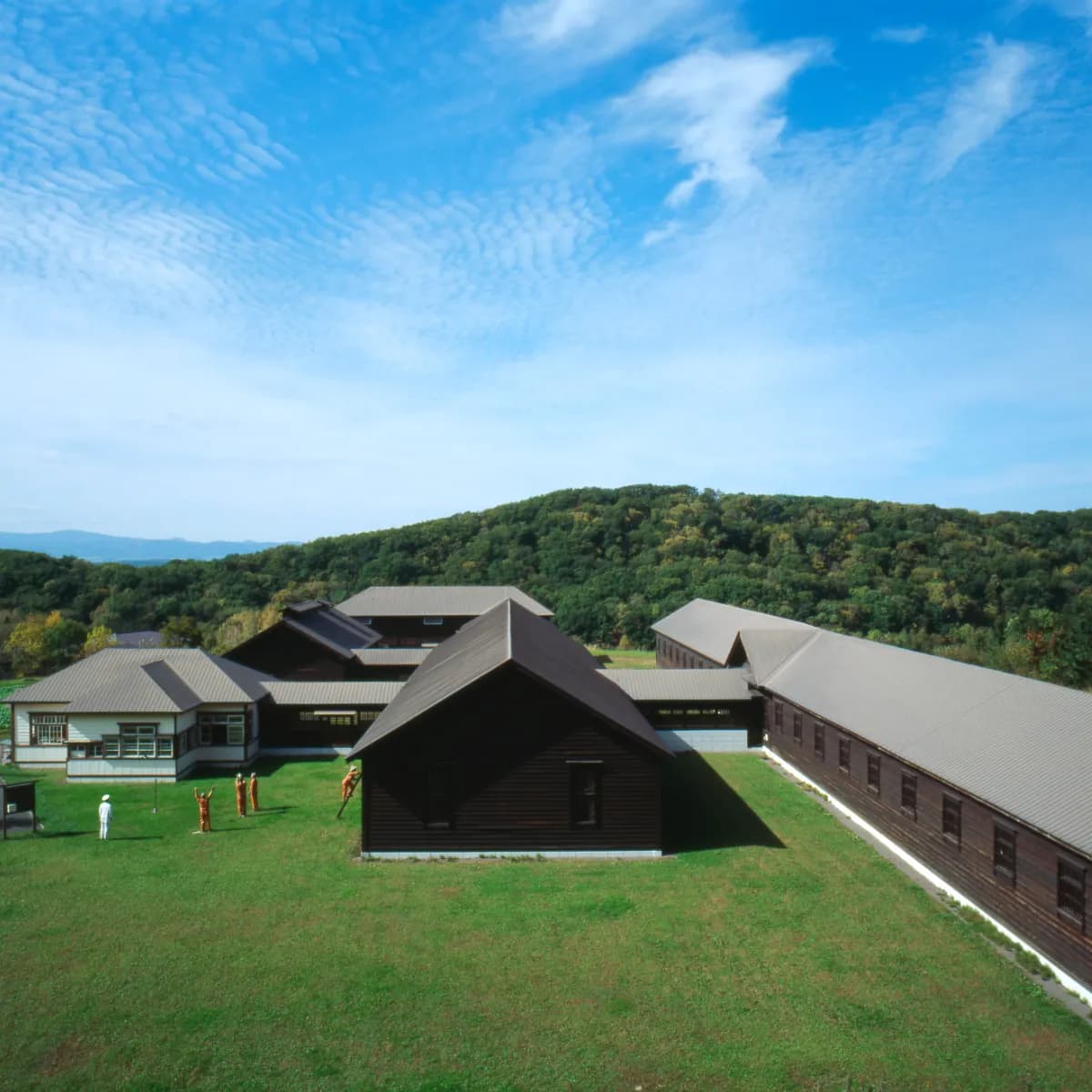
Buildings of the Futamigaoka Branch, the original Abashiri Prison
A rare surviving wooden prison facility, historically important as a pioneering agricultural penal institution.
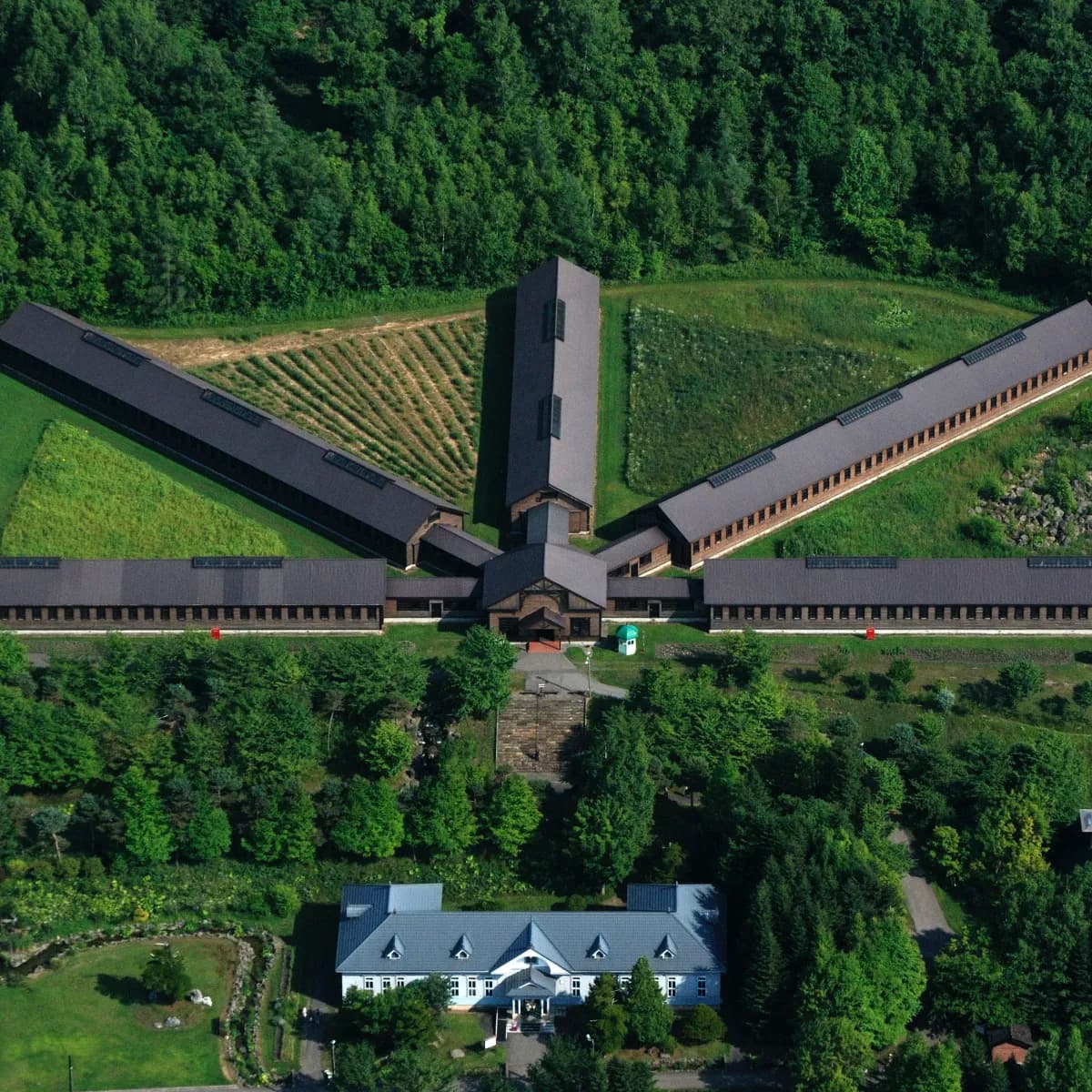
Prison House and Central Guard House of the original Abashiri Prison
A unique five-wing radial cellblock structure, historically significant in Japan’s prison architecture.
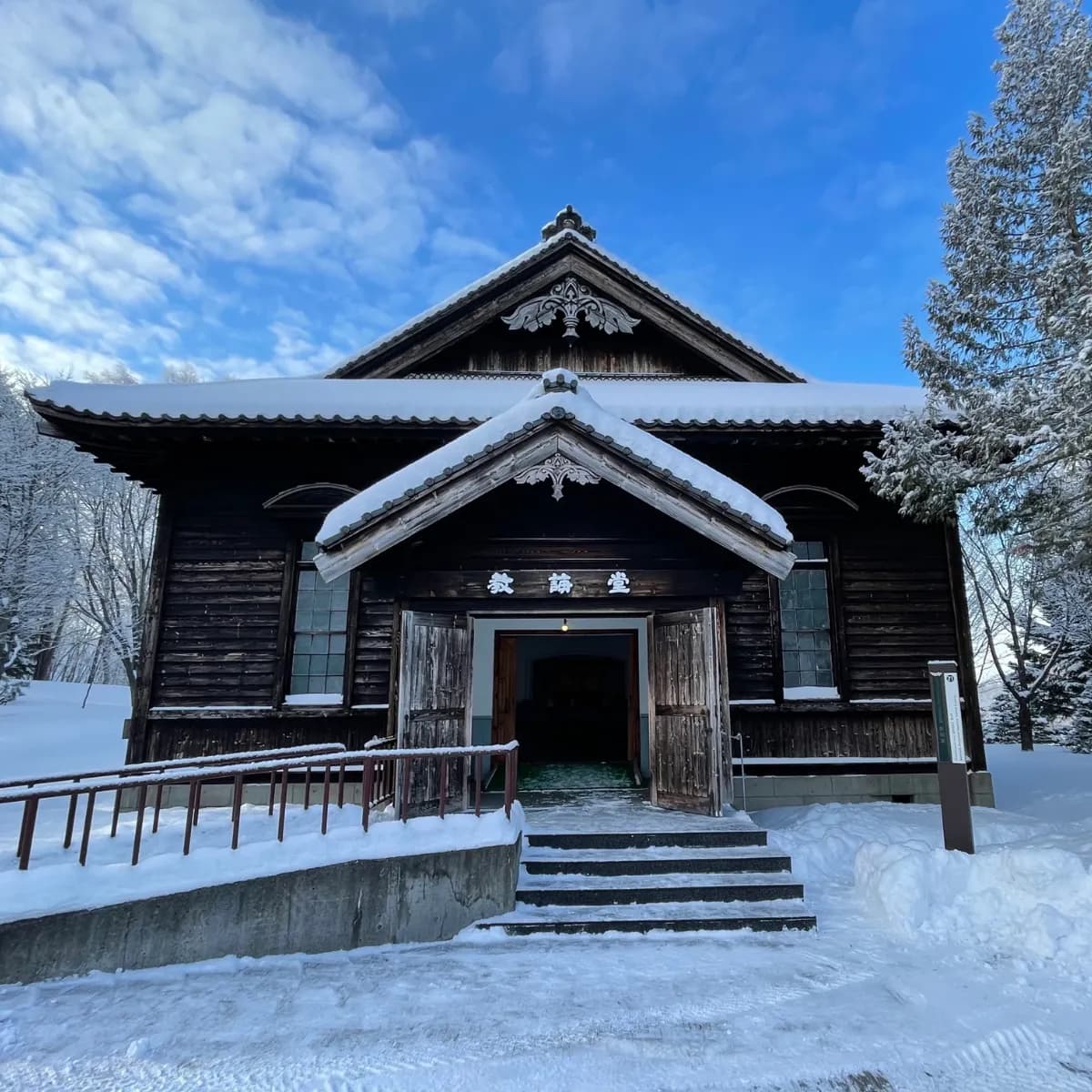
Lecture Hall
A hall used for moral and religious guidance, featuring mixed Japanese-Western architectural elements.
Abashiri Prison VR
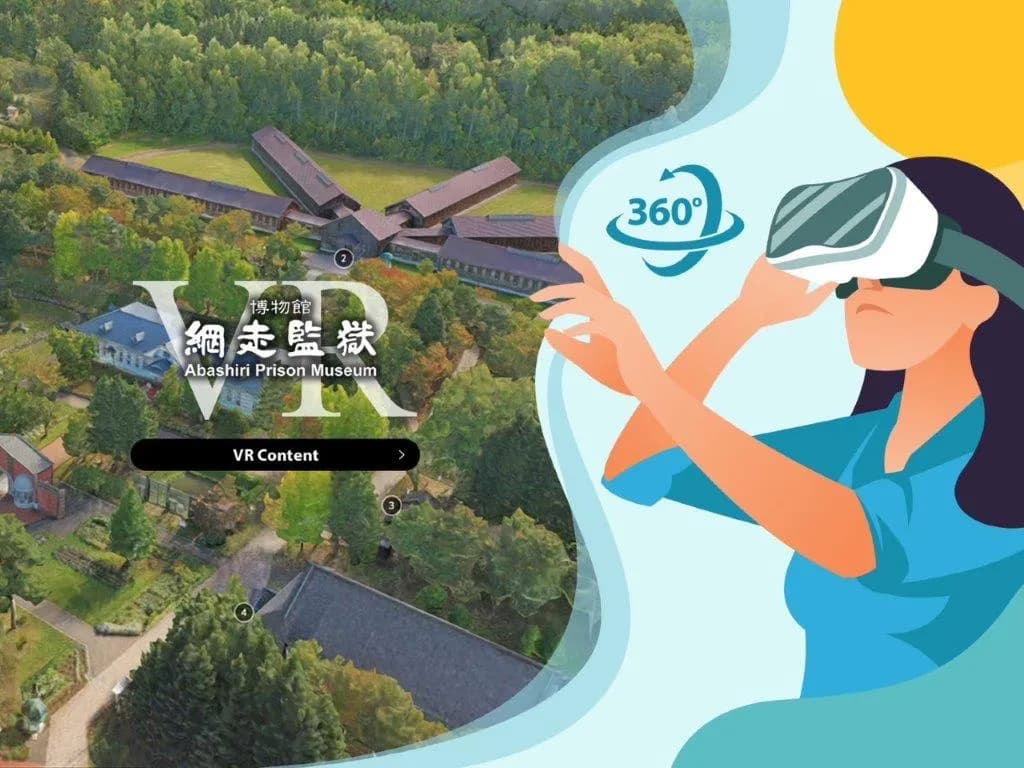
Abashiri Prison Museum has introduced a brand-new VR experience to bring its long history and many stories to life through the latest technology. Through this innovative experience, visitors transform from simple observers into participants standing within the historical setting itself.
We are conducting a survey about the VR experience to help us improve future content. Your feedback will help us create even more engaging and immersive experiences. We would greatly appreciate your participation. Estimated time: 3–5 minutes.